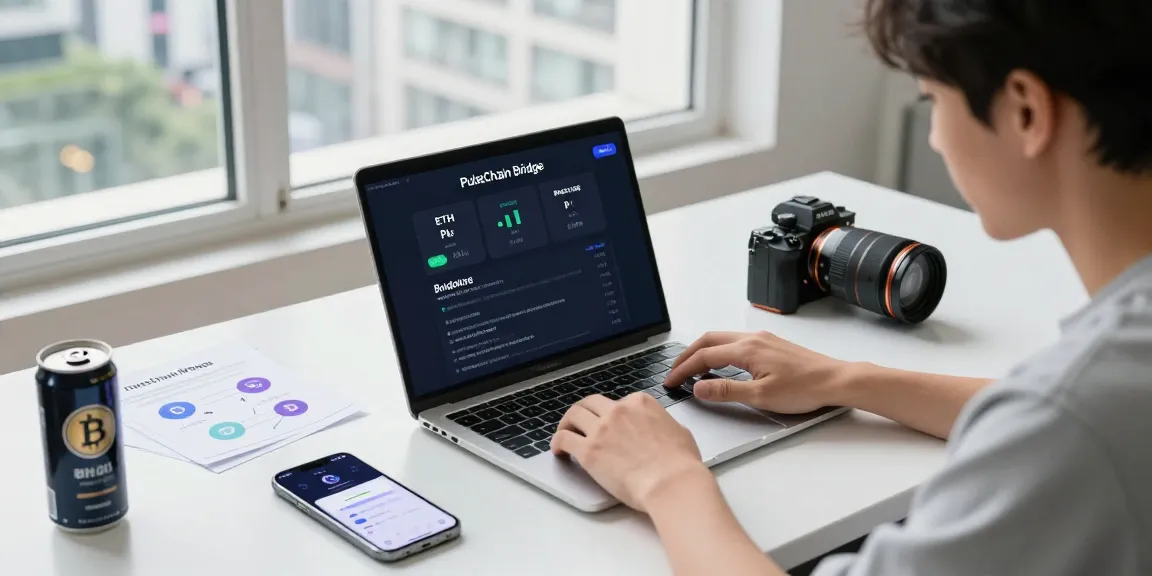
Understanding the PulseChain Bridge
The rise of decentralized finance (DeFi) and blockchain technology has revolutionized how individuals interact with digital assets. Among the innovations shaping this landscape is the PulseChain Bridge, a sophisticated tool designed to facilitate the movement of assets between different blockchains. Whether you're an experienced trader or a newcomer to the crypto space, understanding the PulseChain Bridge's functionalities is crucial for optimizing your asset transfers and minimizing costs.
What is the PulseChain Bridge?
The PulseChain Bridge is a cross-chain bridge that enables users to transfer Ethereum (ETH), PulseChain (PLS), and other tokens seamlessly and securely between the Ethereum and PulseChain networks. This bridge utilizes advanced technologies to ensure rapid transaction processing, enhanced security features, and significantly reduced fees compared to other bridging options. By bridging assets to PulseChain, users can take advantage of its faster transaction speeds and lower costs inherent to the PulseChain ecosystem.
Key Features of the PulseChain Bridge
- Speed: Transactions can be completed in less than three minutes, making the PulseChain Bridge one of the fastest options available.
- Security: The bridge incorporates robust security protocols to protect users' assets during transfers.
- Low Fees: With fees up to 70% lower than competitors, users can retain more of their investments when bridging tokens.
- User-Friendly Interface: Designed for all experience levels, the interface is intuitive, requiring no complicated steps to complete transactions.
- Gas Free Transactions: First-time users often receive free PLS for gas fees when moving tokens to PulseChain, incentivizing engagement.
How the PulseChain Bridge Works
The functioning of the PulseChain Bridge is straightforward yet sophisticated. First, users initiate a transaction by connecting their crypto wallet, allowing the bridge to access their assets. After selecting the tokens they wish to transfer, the system provides an estimated completion time and associated fees. The bridge processes the transaction across both blockchains, utilizing smart contracts to ensure a secure and efficient transfer. Users can track their transactions in real-time, offering peace of mind throughout the process.
Getting Started with the PulseChain Bridge
Embarking on your journey with the PulseChain Bridge is both exciting and straightforward. Understanding the initial steps can ensure a smooth experience, particularly for those new to the world of crypto. This section will guide you through the essential preparations required to get started.
Creating Your Crypto Wallet
Your first step in utilizing the PulseChain Bridge is to set up a compatible cryptocurrency wallet. Popular wallets like MetaMask and Trust Wallet allow seamless integration with both Ethereum and PulseChain networks. Ensure that your wallet supports both ETH and PLS to facilitate your transactions effectively.
Follow these steps to create your wallet:
- Download the wallet app from a reputable source.
- Follow the installation prompts and create a new wallet.
- Securely save your recovery phrase; this is crucial for restoring access if needed.
- Add funds to your wallet by purchasing or transferring ETH.
Step-by-Step Guide to Bridging ETH and PLS
Once your wallet is ready and funded, you can proceed to bridge your assets. Here’s a simple step-by-step guide:
- Open the PulseChain Bridge website and connect your wallet.
- Select the tokens you wish to bridge—either ETH or PLS.
- Enter the amount you want to transfer.
- Review the transaction details, including estimated fees and completion time.
- Confirm the transaction, and within minutes, the tokens will appear in your PulseChain wallet.
Common Pitfalls for First-Time Users
While the PulseChain Bridge is designed for accessibility, beginners can encounter some common challenges. Here are a few pitfalls to avoid:
- Incorrect Wallet Connections: Ensure you’re connecting the correct wallet to avoid transferring funds to the wrong address.
- Token Selection Errors: Double-check that you are transferring the intended tokens; double-check fees associated with each type.
- Insufficient Gas Fees: If you're transferring to the PulseChain but lack native PLS, you might incur delays due to inadequate gas fees.
Security and Fees of the PulseChain Bridge
Security and cost are two of the most significant concerns for crypto users when choosing a bridging method. The PulseChain Bridge addresses both effectively, but it's important to understand these elements in detail.
Understanding Transaction Fees
The transaction fees associated with the PulseChain Bridge are notably lower than many alternatives. Users can expect fees to be up to 70% less than those on other platforms, allowing you to retain more of your crypto assets during transfers. It’s critical to note that fees can vary based on network conditions; therefore, always check the current rates before initiating a transaction.
Security Features of the PulseChain Bridge
The PulseChain Bridge prioritizes user security through various measures, including:
- Smart Contracts: All transactions are mediated through smart contracts, which are self-executing contracts with the terms of the agreement directly written into code, reducing human error.
- Multi-Signature Wallets: Significant transactions require multiple signatures, preventing unauthorized access.
- Regular Audits: The PulseChain team conducts regular audits to detect and rectify any vulnerabilities in their system.
Comparing Fees with Other Cross-Chain Bridges
When analyzing the cost-effectiveness of the PulseChain Bridge, it's beneficial to compare its fees to those of other popular cross-chain solutions. Many existing bridges charge high gas fees, particularly during peak transaction times, making PulseChain's offering significantly more competitive. This affordability is especially important for users looking to make frequent transactions.
Optimizing Your Experience on the PulseChain Bridge
To fully exploit the advantages offered by the PulseChain Bridge, users should adopt best practices that enhance their overall experience. This section outlines practical strategies for optimizing your use of the bridge.
Using the Bridge Efficiently
- Timing: Execute transactions during non-peak hours to avoid congested networks and elevated fees.
- Watch for Promotions: Stay updated on PulseChain events and promotions that may offer reduced fees or bonuses.
- Batch Transactions: If possible, batch several transactions together to minimize fees and streamline the process.
Best Practices for Crypto Transfers
To ensure secure and efficient crypto transfers, consider the following best practices:
- Always double-check wallet addresses before confirming transactions.
- Keep your wallets updated to protect against vulnerabilities.
- Utilize hardware wallets for long-term storage of assets.
Monitoring Your Transactions
Being proactive in monitoring transactions can enhance your experience with the PulseChain Bridge. Use tools available within your wallet or third-party blockchain explorers to track the status of your transfers. Timely monitoring helps identify any issues early on, allowing for quick resolutions.
The Future of the PulseChain Bridge and Crypto Trends
The landscape of cryptocurrency is continuously evolving, and staying ahead of trends is essential for users of the PulseChain Bridge. This section explores what the future holds for this cross-chain solution and the broader crypto environment.
Emerging Trends in Cross-Chain Technologies
As blockchain technology matures, cross-chain interoperability is becoming increasingly critical. The rise of multi-chain ecosystems where users can freely move assets across platforms without restrictions is a growing trend. The PulseChain Bridge is at the forefront of this movement, providing a reliable method for asset transfer.
Future Developments for PulseChain Bridge Users
The future may hold additional features for PulseChain Bridge users, such as improved integration with decentralized applications (dApps) and enhanced liquidity partnerships. These advancements aim to streamline user experiences and broaden functionality, allowing users to leverage assets across various platforms effortlessly.
Impact of Regulatory Changes on Crypto Bridges
As regulatory frameworks around cryptocurrency continue to evolve, it's essential for users to stay informed about potential impacts on cross-chain functionalities. Regulatory compliance may shape the operational aspects of the PulseChain Bridge, including KYC/AML requirements, which could introduce additional steps for users. However, these regulations can also enhance the overall security and legitimacy of transactions.
What is the PulseChain Bridge?
As discussed, the PulseChain Bridge serves as an efficient, secure method for moving assets between Ethereum and PulseChain. Understanding its functionalities is crucial in a rapidly advancing crypto landscape.
How long does it take to bridge tokens on PulseChain?
Typically, the bridging process takes less than three minutes, allowing users to transfer their tokens swiftly, which is particularly advantageous in a market where timing can be critical.
What security measures does PulseChain Bridge have?
The PulseChain Bridge employs multiple security protocols, including smart contracts, multi-signature wallets, and regular audits to safeguard users’ assets during transfers.
Can I use the PulseChain Bridge on mobile?
Yes, the PulseChain Bridge can be accessed via mobile-friendly wallets and applications, making it convenient for users to perform transactions on the go.
What are the advantages of using PulseChain Bridge?
Users benefit from low fees, fast transaction speeds, and enhanced security, all of which contribute to a positive experience while moving assets across chains.